विद्यालय शिक्षा विधेयक कहिले आउँछ ?When will the School Education Bill be passed ?

Social Study Training for Madhesh Transformation

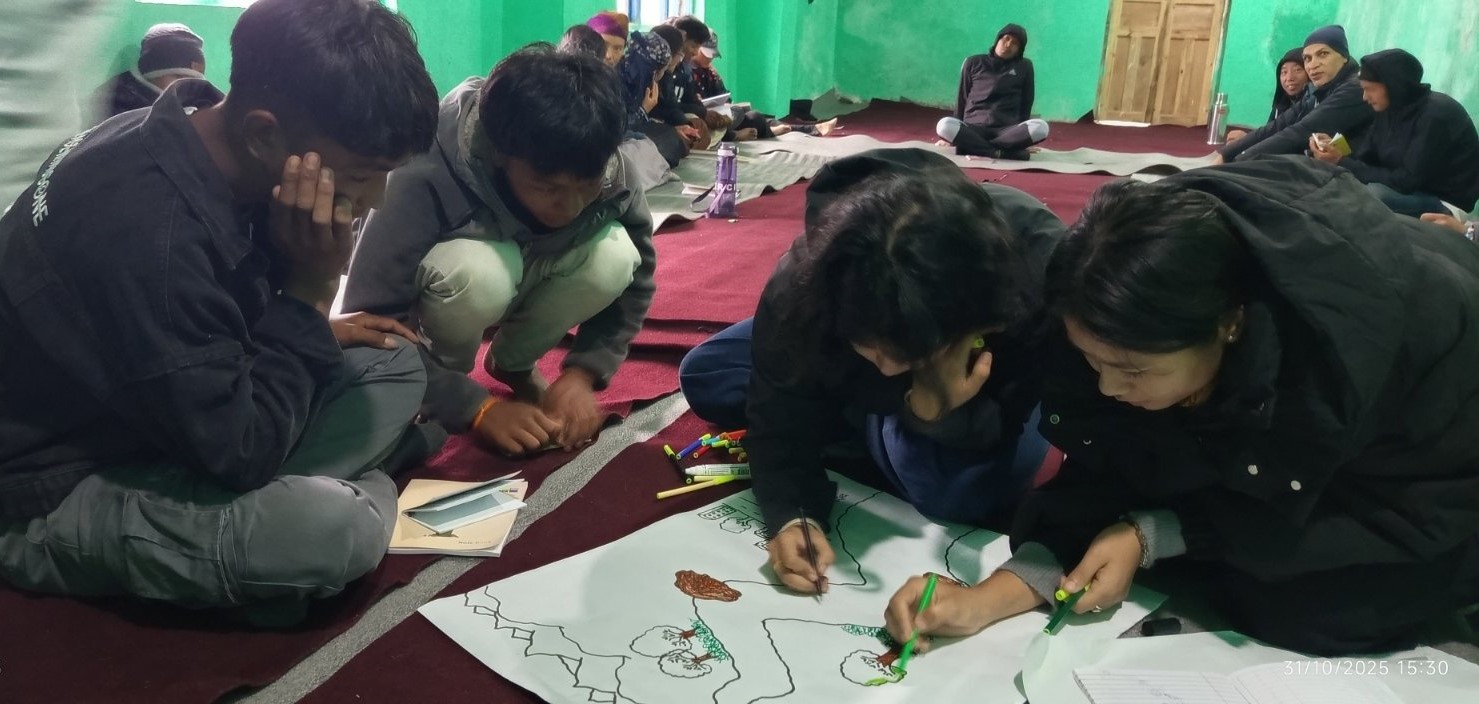
The second phase of the Social Studies for Madhesh Transformation Training was organized from May 21 to 25. Understanding about their social and environmental situation and able to think critically and able to ask rational questions to politicians, political parties, state bodies, and public representatives and this training was organized realizing the need for the youth of Madhesh to play a role in social transformation. The goal of the training is to create an environment for organizing ideas so that participants can learn and teach through practice as well as experience. In this phase, the main problems of the world included environmental problems, the effects of air, water and soil pollution, the carbon cycle, temperature increase, monsoon, winter rains and the water cycle, climate change and the crises it poses to human life. In the meantime, due to the late and scanty rainfall in Madhesh this year, tube wells have also dried up, making life difficult for the people, and this situation was also discussed as an indicator of the growing environmental crisis. This training was organized by Centre for Educational Policy and Practices in association with Mahottari Youth Network, Karkhana Samuha and Dignity Initiative.

Education Advocacy for CSOs

More than 20 representatives of civil society organizations working in the education sector in Karnali Province were provided with training on education advocacy in collaboration with the Karkhana Samuha. The training topics included the concept of education, the importance and necessity of advocacy to solve issues of education, to identify key issues of education in Karnali Province, and the process of advocacy. CEPP is collaborating with the Karkhana Group on writing a advocacy framework for advocating education issues by the CSOs.

Orientation for Newly Appointed Teachers

The orientation of newly appointed teacher was conducted by CEPP on 5-7July 2025.  With the coordination of Chandranagar Rural Municipality, 41 newly appointed teachers by the Municipality were actively participated in the orientation. The orientation was facilitated by CEPP team and educationist Pro. Bidya Nath Koirala.

The orientation was designed to create pride and enthusiasm about being a teacher, to make child friendly learning environment in classroom, to make them aware about the High Expectations from the teaching profession and concept and teaching method of Integrated Curriculum. Games had been played to teach teachers the importance of classroom games.

School Observation Visit from PTM4

Teachers and school management committee officials from 10 schools in Chandranagar Rural Municipality were taken an observation tour of schools considered good in Madhesh to inspire them to improve their schools. 33 people from 10 schools with Head teacher, Child Development teacher, the President of the SMC and a female member was took part in the visit. Visits were made to two Schools of Mahottari, Janata Secondary School in Bardibas Gauridanda and National Basic School in Bhangaha and two schools of Dhanusha, Dwarika Basic School in Sabela, and National Basic School in Khairban. The teachers and SMC persons expressed their feedback that this visit inspired them to improve the school. CEPP has run Parent-Teacher Motivation Program in 10 schools and their catchment area of Chandranagar.

Training for teachers of lower grades in Haku

Center for Educational Policy and Practices in coordination with Amachodingmo Rural Municipality (RM), Rasuwa, conducted a basic training for Early Childhood Development Facilitators at Shree Hakubeshi Basic School on May 2025. Teachers from four schools of Ward No. 1 and 2 of the RM participated in the training. The training covered the theoretical aspects of early childhood development, thematic skills, subject areas, and learning areas of child development. The training focused on skills in creating educational materials that would inspire elementary school children to learn language, mathematics, science, social studies, and creative subjects from locally available materials and use of posters, songs, poems, etc. for children’s learning.

Similarly, the center conducted a teaching and learning workshop under the integrated curriculum fo r 24 teachers (newcomers and those who had not received integrated curriculum training) from 12 schools within the RM in June.

The workshop focused on the theoretical foundations of inter-subject, multi-subject, and integrated learning within the integrated curriculum and activity-based teaching and learning in the classroom with topics such as methodology, regular classroom activities, regular evaluation system for grades 1 to 3, and documentation.

Ward Interaction on Education

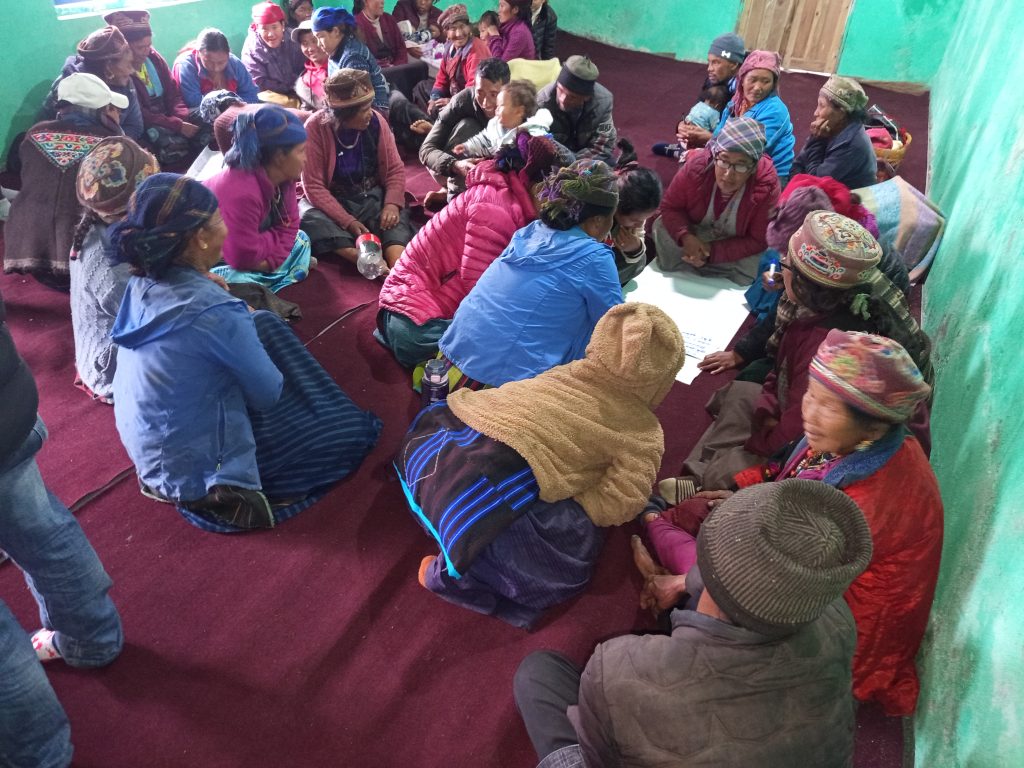
Ward education Interaction held in Chandranagar Rural Municipality were completed in 5 wards. This rural municipality has 7 wards. The problems and solutions related to school education in the municipality and ward level discussed in these interactions. The stakeholders of school education at local level, including teachers, Head Teachers, parents, School Management Committee Chairpersons and Members, Maulvi) and representatives of Madrasas, ward chairpersons and ward office representatives, and individuals interested in education participated in the interactions. Although the Constitution of Nepal places school education under the jurisdiction of local bodies, but there is a situation where there is no public interest in school education at the local level. It seems like that this makes local governments are not prioritizing education. To change this situation, the Center for Educational Policy and Practices is trying to raise interest in education from the ward level by organizing ward education interactions in its working area.

Play Material in Schools

The opportunity to play games helps in supporting children’s physical and mental development and makes school fun and attractive for children. For this, the Center for Education Policy and Practices builds play materials for children in the schools where they work. Those play materials are made from wood, which is locally available and does not harm the environment. Experts of child development have the opinion that these materials such as slides, swing, scaffolding, etc. will help children’s physical development, motor skill development and develop skills of group work. When these materials are made of wood, they do not too hot in summer and too cold in winter and can be used by children in any season. And wood materials can also be easily repaired when broken.